Portable Home Battery Backup: No Install, Just Power
If you rent, live in an apartment, or simply don't want an electrician cutting into your panel, a fixed home battery isn't an option. A portable one is. A wheeled LiFePO4 power station arrives, you plug it into the wall to charge, and the same day it can keep your fridge, lights and router alive through an outage. Here's how it works, how big to go, what it costs, and why the NovaBESS PowerBox fits the job.
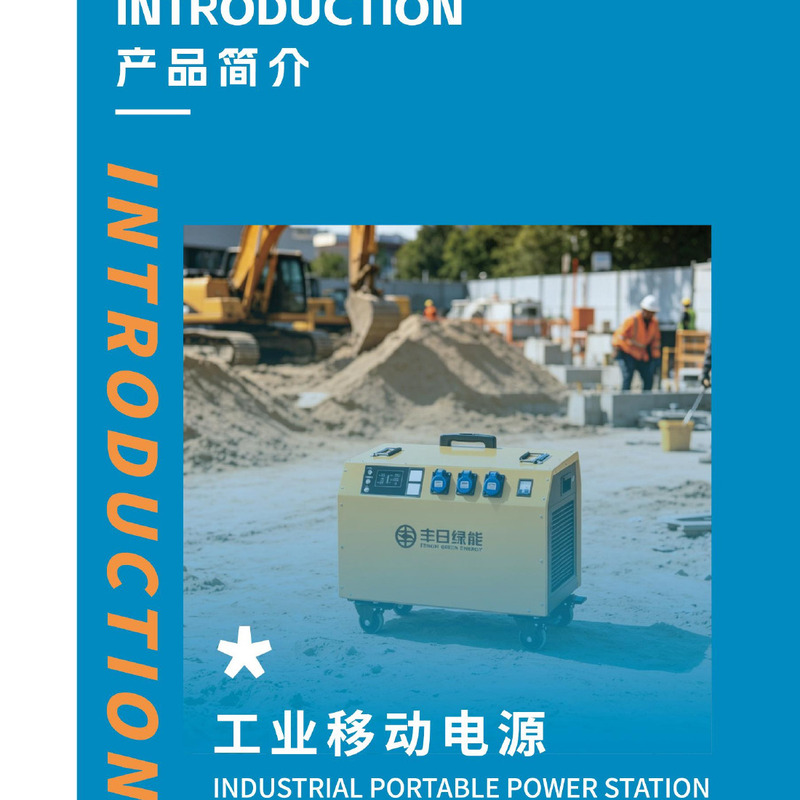
What a portable home battery backup actually is
A portable backup is a self-contained, wheeled power station. Inside is a LiFePO4 (lithium iron phosphate) battery, an inverter and outlets. You charge it from a normal socket (or solar panels, or a generator), then plug appliances straight into it — either through its own AC sockets or an extension lead. There is no connection to your home's main panel.
That single fact is what separates it from a fixed no-solar battery or a rooftop-backed system: those must be wired into the distribution board by a licensed electrician. A portable unit is furniture, not infrastructure.
Why "no install" is the whole point
- Renters: You cannot touch the building's wiring. A plug-in unit needs no approval and goes with you when you move.
- Apartment dwellers: Shared panels and body-corporate rules make fixed storage impractical. A wheeled unit lives inside your unit.
- Move-out & flexibility: Take it to the next place, the cabin, the campsite — it isn't bolted to a wall.
- No permit, no inspector: Because nothing is permanently connected, there is no electrical permit or utility paperwork.
- Disaster prep on a deadline: Storm season is here — a portable unit is useful the afternoon it's delivered, not three weeks after an installer visit.
How it works in four steps
| Step | What you do | Result |
|---|---|---|
| 1. Charge | Plug PowerBox into any wall socket (or solar panel / generator) | Battery fills from grid, sun or fuel — no setup |
| 2. Place | Roll it where you need it (kitchen, bedroom, hallway) | Ready power exactly where the outage hurts |
| 3. Plug in | Connect fridge, lights, router, phone, medical device to its outlets | Essentials stay on through the blackout |
| 4. Recharge | Top up from the wall when power returns, or from solar during extended outages | Cycle repeats; no fuel run, no noise |
How much capacity do you need?
Match capacity to the watts you must run and the hours you must run them. PowerBox's three sizes cover the realistic renter / apartment / blackout range:
| Model | Energy | Power | Good for | Typical runtime* |
|---|---|---|---|---|
| PowerBox 4.02 kWh | 4.02 kWh | 500 W | Fridge + lights + router + phone; overnight essentials | 12–30+ h on essentials; ~7 h at 500 W |
| PowerBox 8.04 kWh | 8.04 kWh | 1,000 W | + sump pump, more appliances, longer blackout | 25–60+ h on essentials; ~7 h at 1,000 W |
| PowerBox 16.08 kWh | 16.08 kWh | 1,500 W | + small AC / heat, multi-room, multi-day | 50–120+ h on essentials; ~10 h at 1,500 W |
*Runtime uses ~90% usable capacity; "essentials" ≈ 95 W average (fridge compressor cycling + LED + router + phone). Actuals vary with appliance duty cycle. Size your exact load with the Home Battery Calculator.
What does it cost?
At typical 2026 LiFePO4 equipment rates (about USD 400–900 per kWh before installation), a portable wheeled unit lands roughly:
| Model | Indicative equipment range |
|---|---|
| PowerBox 4.02 kWh | ~$1,600–3,600 |
| PowerBox 8.04 kWh | ~$3,200–7,200 |
| PowerBox 16.08 kWh | ~$6,400–14,400 |
The real saving versus a fixed system is the installation you skip: no electrician, no permit, no panel upgrade. For renters that saving is total — a fixed system isn't permitted at all. Distributors and brand owners cut these numbers further through OEM/ODM volume pricing. Confirm current pricing with a quote for your market and certification.
PowerBox: the product behind the backup
NovaBESS PowerBox is the industrial-grade wheeled power station we build for construction, telecom, mining and emergency use — and it is just as suited to home blackout duty. Key specs from the manufacturer catalog:
| Spec | PowerBox |
|---|---|
| Capacity | 4.02 / 8.04 / 16.08 kWh |
| Voltage | 12.8 / 25.6 / 51.2 V |
| Continuous power | 500 / 1,000 / 1,500 W |
| Cell chemistry | 314 Ah LiFePO4 (LFP) |
| Depth of discharge | 80%–100% |
| Charging | Grid (wall socket) / Solar / Generator |
| Mobility | Wheeled, portable (26 / 57 / 100 kg) |
| Cooling / noise | Air-cooled, ≤75 dB(A) |
| Operating temp | -25°C to +50°C |
| Certification | CE · UN38.3 · UL · IEC |
See the full unit on the PowerBox product page.
Portable vs fixed: which should you choose?
| Portable (PowerBox) | Fixed (HomeWall / HomeStack) | |
|---|---|---|
| Installation | None — plug in and go | Licensed electrician, panel wiring |
| Renter-friendly | Yes | No (permanent connection) |
| Whole-home backup | Essentials only (outlets) | Full panel / islanding possible |
| Peak-shaving arbitrage | No (not grid-tied) | Yes (with TOU inverter) |
| Mobility | Move it anywhere | Fixed to one wall |
| Best for | Renters, apartments, blackout, outdoor | Homeowners, solar self-use, bill savings |
Use cases
- Apartment blackout: Keep the fridge, lights and Wi-Fi on without touching building wiring — see our apartment renter guide.
- Storm / heatwave / wildfire outages: Silent, fume-free power for comms and medical devices — see our no-install outage guide.
- Elderly & safety: A phone charged and a light on is a lifeline during an extended outage.
- Outdoor & remote: Cabin, campsite, market stall — recharge from solar or a generator.
- Job site & telecom: The original PowerBox role — read portable power for off-grid & construction.
Related guides
- Portable power station vs gas generator: the full comparison — fuel, noise, indoor safety, runtime and cost, and why a wheeled LiFePO4 unit wins for home backup. Read the comparison →
- Plug-in battery vs portable power station: what "no-install" really means, the renter fit, and where the plug-in category is exploding (Germany, Netherlands, UK). Read the explainer →
- PowerBox for commercial & industrial sites: the C&I angle — construction, telecom, mining, emergency and off-grid O&M, with a portable-vs-fixed C&I comparison. See the C&I page →
Size your portable backup in 30 seconds
Enter the watts you must run and for how many hours — see the kWh you need and the right PowerBox model. No email required.
Open the free Home Battery Calculator →Frequently asked questions
What is a portable home battery backup?
A portable home battery backup is a wheeled, self-contained LiFePO4 power station you plug appliances into directly — via its own AC outlets or an extension lead. Unlike a fixed wall or stack battery, it is not wired into your home's distribution panel, so it needs no electrician, no permit and no landlord approval. NovaBESS PowerBox ships in 4.02 / 8.04 / 16.08 kWh and charges from the wall, solar panels or a generator.
Can renters use a home battery backup?
Yes — a portable, plug-in unit is the only realistic option for renters, because you cannot modify the apartment's wiring or mount equipment on a shared wall. You simply place it inside, charge it from a standard socket, and run essentials (fridge, lights, router, medical devices) off its outlets. That is exactly the use case covered in our apartment renter guide.
How big a portable backup do I need for a blackout?
For a fridge, lights, router and phone through an overnight outage, a 4 kWh unit (PowerBox 4.02 kWh, 500 W) typically runs those loads 12-30+ hours. Add a sump pump or small AC and step up to 8 kWh (1,000 W) or 16 kWh (1,500 W). Use our Home Battery Calculator to size by your exact watts and hours.
Is a portable battery safer or cheaper than a generator?
For indoor or apartment use a portable battery is far safer — no fuel, no exhaust, no noise, no refuelling. Up front it costs more per kWh than a petrol generator, but it needs no fuel, no maintenance and runs silently indoors. A generator still wins only for days-long, whole-house loads outdoors.
Do I need solar for a portable backup battery?
No. PowerBox charges from any wall socket, so it is ready the day it arrives. Adding solar panels simply lets it recharge for free during a multi-day outage or off-grid stay — handy, but optional. This is the key difference from a fixed rooftop system: the battery is useful with zero installation.
Specs and certification are taken from the NovaBESS manufacturer catalog; figures are indicative 2026 ranges for planning only. A portable unit powers appliances through its own outlets and must never be back-fed into a home panel (illegal and dangerous without a transfer switch). Confirm local rules, current pricing and certification for your market before purchase.