Portable Power Station vs Generator: Which Should You Buy?
Both give you power when the grid goes down — but they get there by completely different means. A portable power station is a big rechargeable battery with outlets; a generator burns fuel to make electricity. That single difference decides everything about noise, safety, where you can use it, and what it costs to own. Here's the honest comparison, and why a wheeled LiFePO4 station (like the NovaBESS PowerBox) is the right call for most homes.
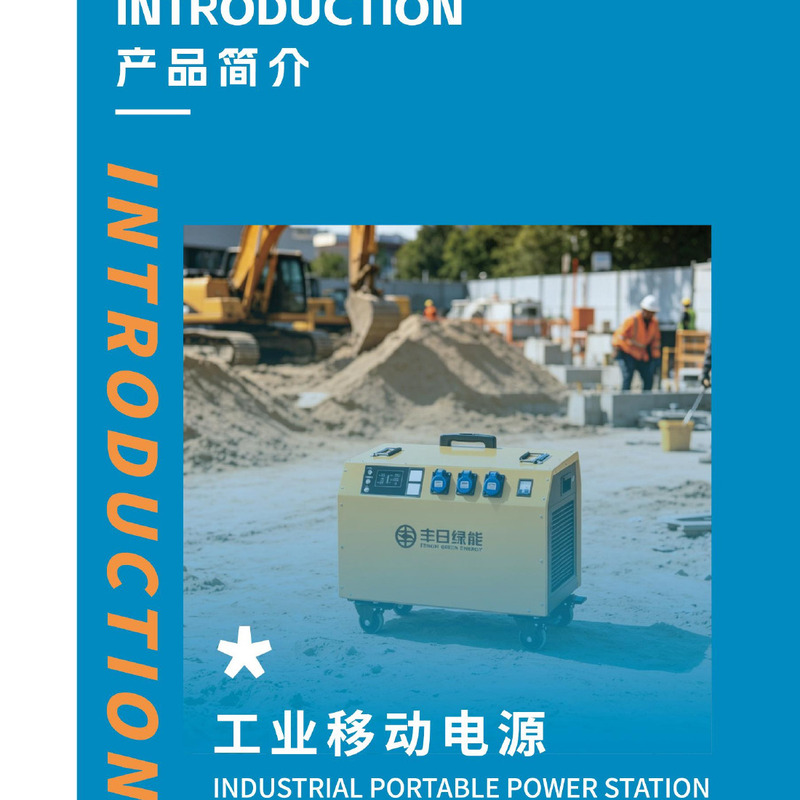
Side-by-side: power station vs gas generator
| Attribute | Portable Power Station | Gas / Fuel Generator |
|---|---|---|
| Fuel source | Rechargeable battery (wall, solar, car) | Gasoline, propane or diesel |
| Noise | Silent to ~30 dB (fan only) | 50–75 dB (conversation to lawnmower) |
| Indoor use | Safe — no emissions | Never — carbon monoxide is fatal |
| Runtime | Limited by battery (2–48+ hrs) | Limited by fuel tank; refill indefinitely |
| Refuel time | 1–6 hrs (solar) / 1–2 hrs (wall) | Minutes (pour fuel) |
| Output | 300–3,600 W continuous | 1,000–10,000+ W continuous |
| Maintenance | None (no moving parts) | Oil, air filter, spark plug, fuel stabilizer |
| Upfront cost | $200–$4,000 (unit + panels) | $300–$2,000 (generator only) |
| Fuel cost | $0 (solar) to ~$0.12/kWh (wall) | $3–$6/gal (~$1–$2/kWh) |
| Weight | 5–220 lb (wheeled models) | 40–250+ lb |
| Apartment / condo | Ideal — no exhaust, no fuel storage | Impractical — banned indoors, noisy for neighbors |
| Campground / quiet hours | Compliant (silent) | Often banned or restricted |
When a portable power station wins
- Indoor and apartment outages. A generator produces carbon monoxide and must sit 20 ft from any door or window. A station runs silently on your kitchen floor, next to the fridge — exactly what an apartment or condo dweller needs. (See our apartment renter guide.)
- Short to multi-day blackouts. For keeping the router, lights, fridge and medical devices on, a 4–16 kWh station covers essentials for hours to days. Add solar and it runs indefinitely while the sun shines.
- Quiet neighborhoods. No engine means no noise complaints from neighbors during a storm.
- No maintenance, no fuel logistics. Charge it from the wall and forget it. When the power drops, it is ready.
When a generator still wins
- Heavy continuous loads for 8+ hours. Running a welder, large air compressor or multiple power tools all day needs sustained 1,500 W+ that only a fuelled generator delivers cheaply.
- Whole-house, multi-day outages outdoors. If you can site it safely outside and you need every circuit on for days, a generator's unlimited runtime wins.
- No charging source available. In a long grid-down scenario with no sun and a dead station, a jerry can of fuel keeps a generator running.
Reality check: most households face 2–48 hour outages, not weeks. For that, a station is the smarter, safer, lower-hassle buy.
Why the NovaBESS PowerBox is built for this
The PowerBox is a wheeled, industrial-grade portable power station — the "no fuel, no fumes, indoor-safe" winner above, scaled for real home loads:
| Model | Capacity | Output | Weight | Charges from |
|---|---|---|---|---|
| PowerBox 1P4S | 4.02 kWh | 500 W | 26 kg | Wall / Solar / Generator |
| PowerBox 1P8S | 8.04 kWh | 1,000 W | 57 kg | Wall / Solar / Generator |
| PowerBox 1P16S | 16.08 kWh | 1,500 W | 100 kg | Wall / Solar / Generator |
All three use LiFePO4 (314 Ah) cells, carry CE / UN38.3 / UL / IEC certification, and recharge from the wall, solar panels or a generator — so even off-grid you are never stranded. They roll on wheels, need no electrician, and plug your appliances in directly. That is the full "station wins" checklist in one box.
See the full lineup and specs on our PowerBox product page, or read the portable home battery backup guide for sizing and use cases.
Frequently asked questions
Can a portable power station replace a generator entirely?
For home backup and short-to-multi-day outages, usually yes — a 4–16 kWh station covers essentials safely indoors. Keep a generator only if you regularly run heavy, continuous loads outdoors for days.
Do I need solar panels with a power station?
No. It charges from any wall socket, so it works the day it arrives. Solar just lets it recharge for free during a long outage — optional, not required.
Will a power station power my whole house?
A single portable unit powers essentials (fridge, lights, router, medical devices, small appliances) — not central AC or an electric range. For whole-house coverage you'd step up to a fixed system like our HomeWall or HomeStack.
Need a no-fuel backup that just works?
Tell us your essential loads and we'll size the right PowerBox — or a fixed HomeWall / HomeStack if you own the panel. OEM / ODM and distributor pricing available.
Get a Free Quote